
I’ve been in workforce education for over 30 years. I’ve sat in boardrooms, training rooms, and Zoom rooms. I’ve coached executives and new hires, managers and frontline workers. And if there’s one thing that never changes — one thing that cuts through titles, tenure, and corporate hierarchy — it’s two simple words:
Thank you.
You’d think in a world of Slack messages, instant replies, and 24/7 connectivity, gratitude would be easier to express than ever. Instead, it’s become rarer. I almost never hear it anymore. And that absence? It costs more than people realize.
The Crane’s Paper Test
Remember Crane’s? That beautiful, watermarked stationery — the kind that said someone sat down, found a stamp, and thought about you? I have a box of thank you cards I’ve held onto for years. Decades, honestly. Because the last time someone sent me one, it mattered enough to keep.
I’m not going to pretend I’ve sent one recently. I haven’t. But I send a minimum of two or three thank you emails and texts every single day — to trainers, to clients, to colleagues, to anyone who showed up, delivered, or simply made the day a little easier. It takes maybe 90 seconds. And it lands.
Why “Thank You” Is My Go-To Motivation Tool
When we talk about what motivates people at work, the conversation usually goes straight to compensation, advancement, flexibility. And yes — those matter. But study after study, and 30 years of watching real people in real workplaces, tells me the same thing: people want to feel seen.
A heartfelt thank you does that instantly. It doesn’t require a budget cycle, a performance review, or a committee. It requires intention. Just a moment of pausing and saying: I noticed. It mattered. Thank you.
That’s the whole thing.
And Then There Are the Other Two Words
While we’re here — let’s talk about the second pair: I’m sorry.
Not the reflexive “sorry” we throw around like punctuation. The real one. The one that acknowledges impact, takes ownership, and doesn’t immediately pivot to a justification. Those two words, delivered sincerely, can repair a relationship faster than any HR intervention or performance plan.
Together — thank you and I’m sorry — these four words are the foundation of a human workplace. They cost nothing. They require no policy, no platform, no rollout.
Just the willingness to mean them.
So I’ll Ask You Directly
When was the last time someone at work said thank you to you — and meant it?
When was the last time you said it?
If it’s been a while, you’ve got your homework for today. Pick one person. Two sentences. Send it.
And if you still have a box of Crane’s stationery somewhere — dust it off. You’ll make someone’s decade.
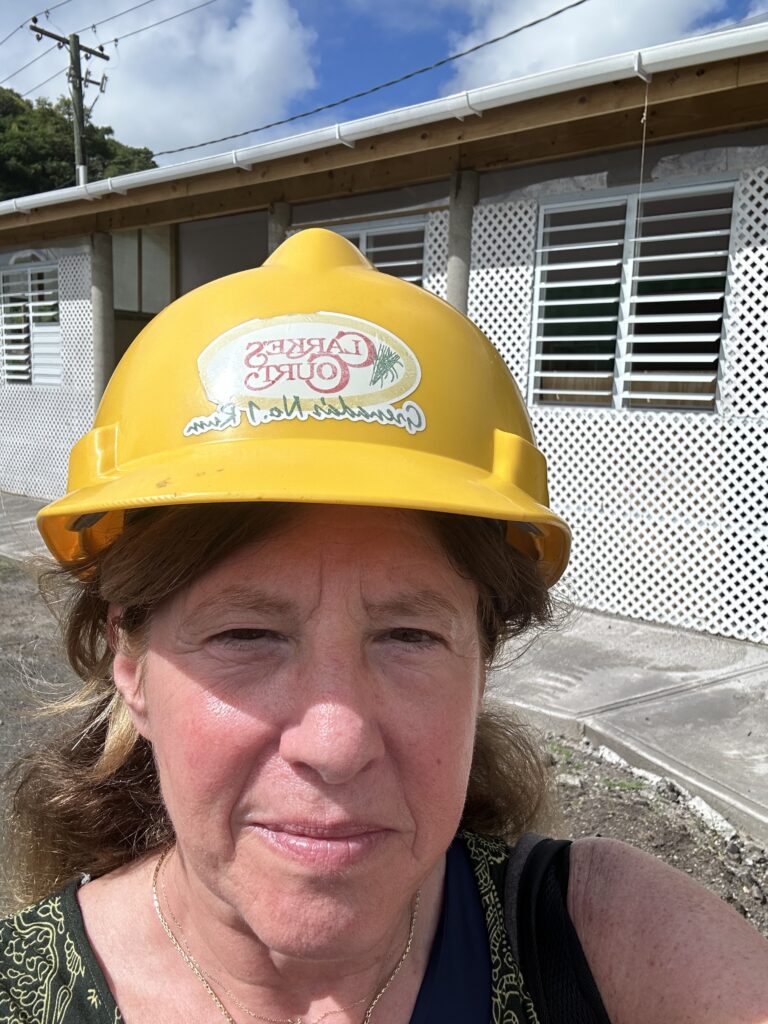
Wendy Wollner is the Founder & CEO of Balancing Life’s Issues, a national workforce education company. For 30+ years, BLI has helped organizations build workplaces where people actually thrive — from day one to retirement.