“Mental Health in the Workplace: Your Managers Are the System. Are They Ready?”

Mental health in the workplace starts with your managers. Learn why untrained managers are your biggest gap — and what to do about it.”
I’ve been in workforce education for 30 years. And when it comes to mental health in the workplace, the gap isn’t in the EAP.
Your manager.
Let me say something that might make your HR team uncomfortable: most of your mental health investment is bypassing the person who matters most. Your manager.
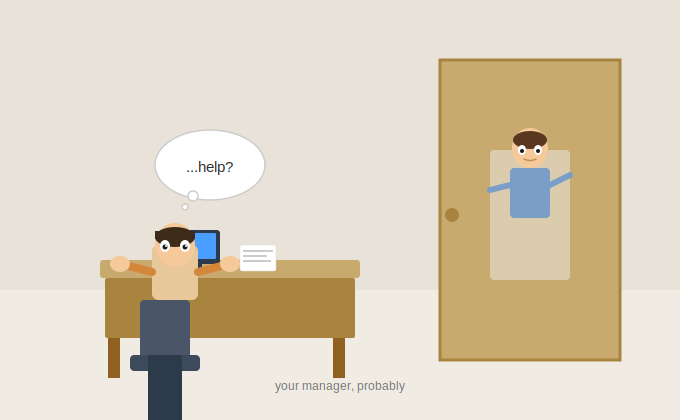
Not because they don’t care. Most managers care deeply about their people. But caring isn’t a skill. And when an employee walks into a manager’s office struggling — with burnout, a personal crisis, a conflict with a coworker, a grief they can’t name — that manager is now the first line of your mental health response. Whether they were trained for it or not.
The math no one is running
Here’s what untrained managers actually cost you. When a manager doesn’t know how to respond to an employee in distress, a few things happen — and none of them are free.
The employee disengages. They don’t quit — they stay and produce half of what they used to.
The team absorbs it. Stress is contagious. One struggling employee plus one unprepared manager spreads fast.
Your EAP goes unused. Employees don’t self-refer. They get referred — by a manager who knew what to say.
And the liability. A manager who says the wrong thing to an employee in crisis — or the right thing in the wrong way — creates real organizational risk. HR knows this. What doesn’t always get resourced is the solution.
What “trained” actually looks like
I’m not talking about a one-hour webinar on stress management that managers sit through once and forget. I’m talking about building a foundation — so that when the moment comes (and it always comes), the manager isn’t frozen.
Trained managers know how to open a conversation without diagnosing. They know the difference between listening and advising. They know when to refer — and how to do it without it feeling like a rejection. They understand that their job is not to fix the employee. It’s to make sure the employee knows they’re seen, and that help exists.
That’s a trainable skill set. And it’s one of the highest-ROI investments a company can make in its workforce.
The question I ask every HR leader
When I sit down with HR leaders, I ask one question before anything else: “If an employee walked into their manager’s office tomorrow in a mental health crisis — what would happen?”
Most of them pause. A few say “it depends on the manager.” Almost none say “I know exactly what would happen, and I’m confident in it.”
That pause is the gap. And it’s closeable.
The question I ask every HR leader
Do you care enough to ask the tough love questions?
Not the survey questions. Not the engagement score questions. The ones that make the room go quiet.
When did you last ask your managers how they’re really doing — not as professionals, but as human beings carrying the weight of your workforce?
When did you last invest in their ability to have the hard conversations — not just manage performance, but manage moments of real human crisis?
Because here’s what I’ve learned in 30 years: organizations don’t lack care. They lack courage. The courage to say — our managers need more than a title and a target. They need tools.
Your employees are already bringing their mental health to work. The question is whether your managers are ready to meet them there.
If you’re not sure — that’s where we start.
At Balancing Life’s Issues, we build that foundation.
We’ve spent 30 years partnering with HR leaders and EAP providers to deliver workforce education that actually gets used — including manager training on mental health, communication, and employee support. Practical. Human. Built for every stage of the employee journey.
Ready to close the gap? Book a call with Wendy at balancinglifesissues.com.